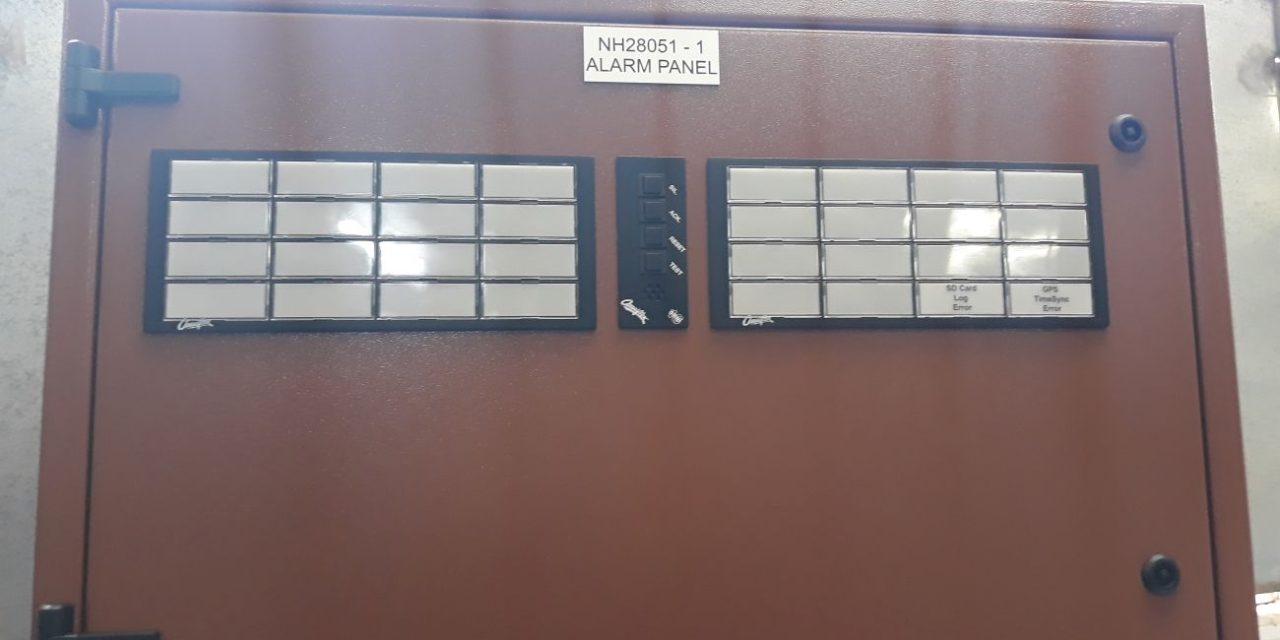
SCADA systems are sophisticated at managing alarms, providing operators with greater visibility of plant conditions and helping them respond to abnormal situations. But as industrial environments have evolved, so too has the role of dedicated alarm management. Here, Ian Loudon, international sales and marketing manager at remote monitoring specialist Omniflex, explores why Sequence of Events (SOE) and dedicated alarm management remain valuable alongside modern SCADA systems.
Understanding the sequence behind the alarm
When a critical event occurs in an industrial plant, one alarm can quickly become dozens or even thousands. A fault can trigger a cascade of alarms across different parts of a process, leaving operators with a rapidly changing picture of what is happening.
For the operator dealing with an incident, this can make it difficult to distinguish the initiating event from everything that follows. Once the immediate situation has passed, it can also make it challenging to reconstruct what happened and in what order. This is the challenge that Sequence of Events technology is designed to address.
By time-stamping events at source and synchronising equipment to a common time base, SOE can establish the order in which events occurred, providing engineers with a clearer picture of an incident and its potential root cause.
The importance of this becomes clear during an alarm avalanche. If a generating unit trips, for example, up to 2,000 alarms can be generated in a matter of moments. If a system relies on polling, determining which event happened first can be difficult. With source-level time-stamping, however, the original chronology is retained, even if the data takes several minutes to reach the control system.
The challenge of managing large volumes of alarms is well established. EEMUA 191, the industry guide to alarm system design and management, provides guidance on issues including alarm prioritisation, filtering and avoiding alarm floods. IEC 62682:2022, meanwhile, sets out general principles for managing alarm systems based on control systems and human-machine interfaces, including alarm and event logs and alarm historians.
Where dedicated alarm management fits
OMNI4000 was developed when SCADA systems did not provide the same dedicated environment for managing alarms that they do today. Since then, SCADA has evolved significantly, incorporating increasingly sophisticated alarm-management capabilities.
This has changed the role of OMNI4000 rather than removed it. The system can operate alongside modern SCADA and distributed control environments, providing a dedicated platform for alarm management while SCADA continues to perform its wider operational monitoring and control functions. OPC has also made it easier for these different systems to interface with one another.
For some plants, maintaining a distinction between operational controls and alarm management can provide a practical way of ensuring critical information receives the attention it requires.
Making alarms actionable
Capturing events accurately is only useful if operators can understand and act on the resulting information. This is where OMNI4000 provides an important management layer.
The system can filter alarms according to changes of state and classify them according to priorities such as urgent, non-urgent or critical. This helps to distinguish information that requires an operator response from routine operational data.
The distinction between SOE and alarm management is important. SOE provides the diagnostic picture: what happened, which event came first and where the problem originated. OMNI4000 provides the visibility and management oversight needed to turn that information into action.
As industrial control environments continue to evolve, the role of dedicated alarm management will continue to depend on the requirements of individual sites. Modern SCADA can provide powerful alarm capabilities, while mature systems such as OMNI4000 can continue to offer value where a dedicated approach supports the way a plant operates.
The objective is to ensure operators have the right information, in the right order, to make the right decision when it matters.
To find out more about how sequence of events monitoring helps improve visibility across your facility, visit Omniflex’s website.
Read other recent news: https://industrial-compliance.co.uk/category/news/