Earlier this month, a recycling center in Hitchin announced it would no longer be accepting goods containing lithium-ion batteries after a devastating fire broke out in an on-site storage area.
The fire began in a storage space for domestic appliances, with the company which runs the facility blaming the blaze on a lithium-ion battery, which are commonly found in vacuum cleaners and other household devices.
The move follows similar efforts to curtail the use of lithium-ion battery powered goods nationwide, with Bournemouth University recently announcing a ban on the charging of e-bikes and scooters indoors over the fears surrounding the combustibility of the batteries.
But are these bans justified? Neil Harper is the UK sales manager for leading storage solutions specialist ZARGES, which offers a range of specialist cases designed to facilitate the safe transportation and storage of lithium-ion batteries.
Rather than announcing outright bans on the handling of lithium-ion batteries, Neil instead believes recycling centres could give more thought as to how they store goods that contain these batteries.
“It’s no secret that lithium-ion batteries are an increasingly common facet of our everyday lives, powering everything from power tools to cars. And while they provide a cleaner and more energy efficient means of powering goods or machinery, they can also pose a significant fire risk if they are damaged or stored incorrectly.
“In environments where they are situated near other flammable products, such as in storage spaces at recycling facilities, it is absolutely imperative that they are housed safely anywhere when they are faulty.
“The safest thing a waste management specialist can do is ensure that the damaged or defective battery is held in a UN approved case. Typically, these will contain chemically inert materials designed to contain a fire within the case before it can spread, should one break out.”
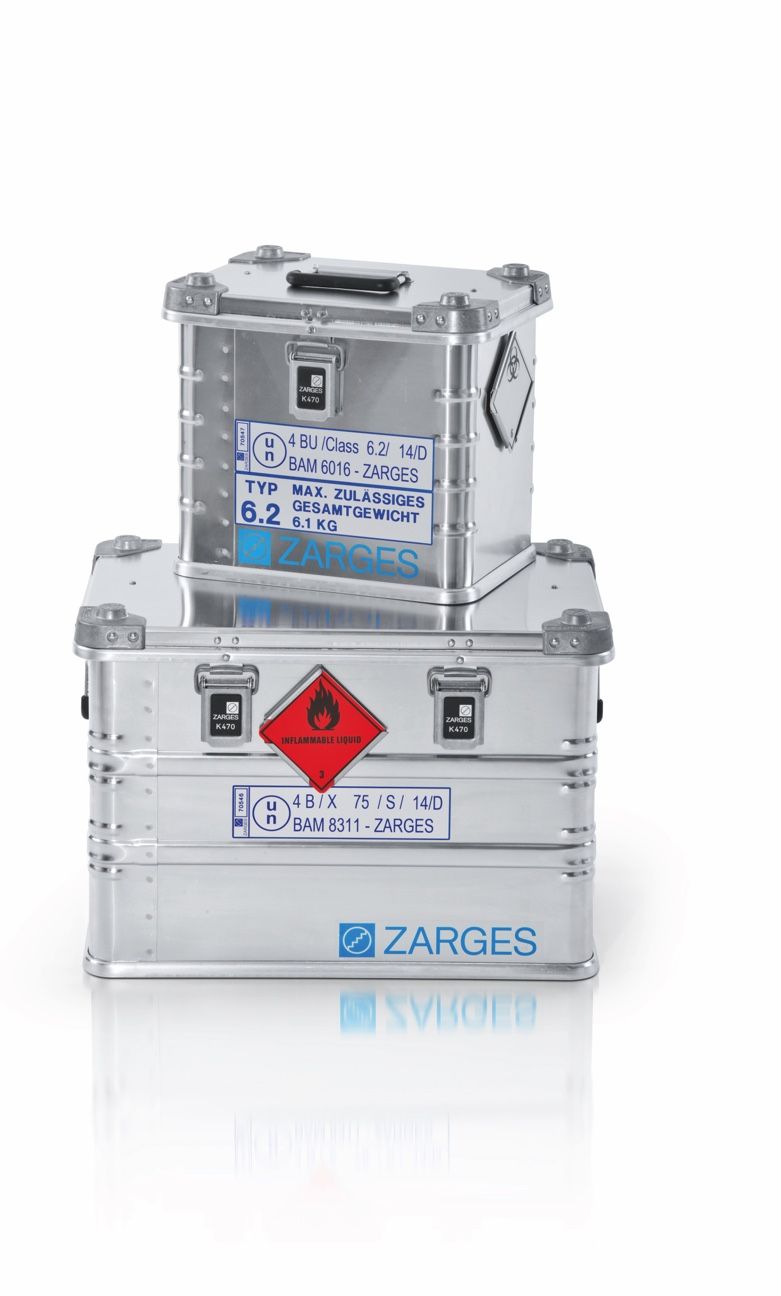
One such solution is ZARGES’S K470 storage box, which is compliant to UN 3480 and class 9 and is available in 25 standard sizes, offering a standard capacity range from 13 – 829 litres. The cases are also available with a choice of flame-retardant foam or protective cushioning, designed specifically for the transportation and protection of lithium-ion batteries.
Stringently tested to ensure maximum safety, the ZARGES K470 Battery Safe version has been designed to eliminate the risk of explosion and the spread of flames in accordance with ADR P908 and SV 376, making it one of the most popular case solutions available on the market.
Neil continues: “The fire at the recycling plant in Hitchin shows us just how dangerous lithium-ion batteries can be. With the market for lithium-ion batteries set to grow by 30% across the next six years, goods powered by them will be an increasingly standard fixture in recycling centers nationwide. An outright ban on the handling of such products is, clearly, unsustainable long term, so waste management companies should ensure they are investing in compliant storage solutions now, to help them meet anticipated demand without compromising on safety.”
To find out more about the ZARGES K470 cases or for more information on the full range of products and services offered by ZARGES, please visit: https://www.zarges.com/uk/products/k-470-universal-container