By David Snelling, UK Managing Director, Fristads
In today’s world, sustainability is no longer a passing trend but a fundamental shift that is reshaping industries across the globe. The wider apparel sector, including workwear, is undergoing a transformation, as businesses and consumers increasingly demand products that are both functional and environmentally responsible.
Workwear, traditionally valued for its practicality, is now at the forefront of this movement, where sustainability is essential— not just desirable.
The growing awareness of environmental issues is prompting a significant change in consumer behaviour. More than ever, people want clothing that aligns with their values.
This is particularly true in the workwear sector, where purpose-driven organisations now seek garments that perform well while also minimising their environmental impact. They want clothes they can feel proud of — both for their durability and ethical production, as well as how the garment represents their business.
Many workwear brands are turning to eco-friendly materials such as organic cotton, recycled fabrics, and responsibly sourced fibres. This approach ensures that workwear not only delivers high performance but also contributes positively to the environment.
Sustainability in workwear extends beyond material choice. It’s also about creating durable products that have a longer life cycle, reducing waste in the process. By focusing on the longevity of our garments, we’re helping to reduce the need for constant replacements, which ultimately lowers the overall environmental footprint.
In addition, many brands are adopting eco-friendly dyeing techniques and energy-efficient manufacturing processes to reduce their environmental impact at every stage of production.
Three simple ways you can reduce your environmental footprint include:
- Choose wisely, purchase less often – Opt for high-quality, functional & comfortable garments that last longer instead of fast fashion trends.
- Repair and Recycle – search for brands that offer a repair / reuse service and get creative with DIY projects to breathe new life into old garments.
- Wash smart – find garments that are easily launderable at lower temperatures and air dry to save energy and extend the lifespan of your garments.
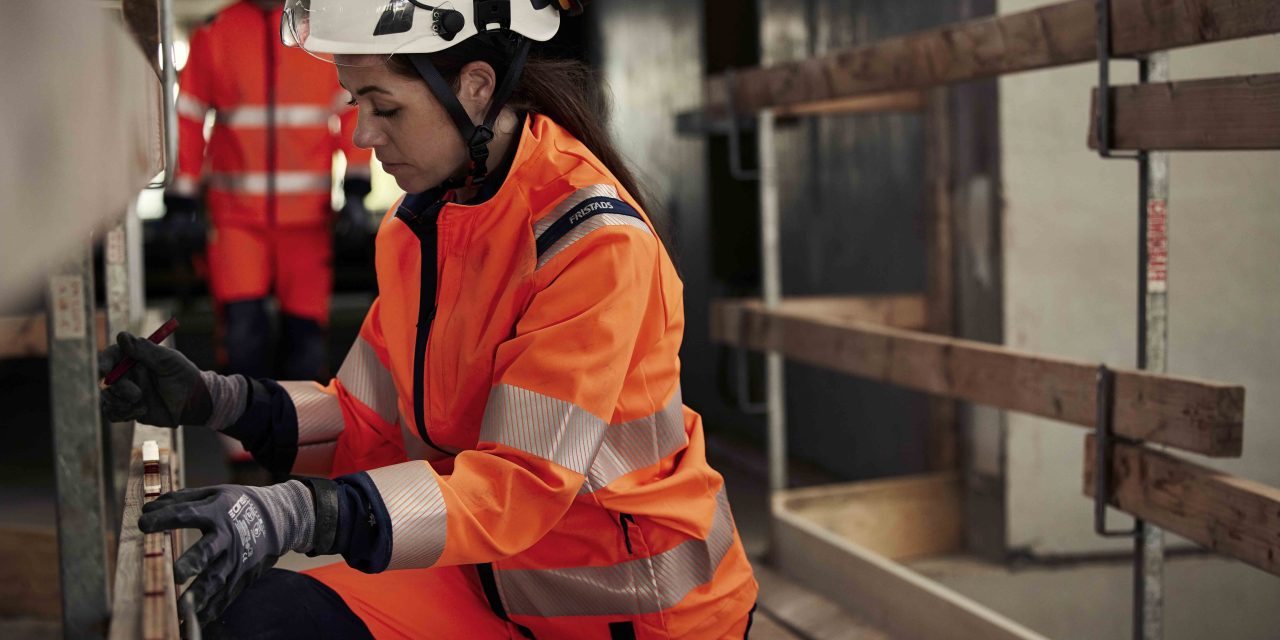
Today’s workers want more than just functional clothing — they want garments that are comfortable, stylish, and aligned with their environmental beliefs. Modern workwear can blend practicality with design, offering contemporary cuts and colours that appeal to the aesthetic preferences of the workforce.
Looking ahead, the future of workwear is undoubtedly sustainability. As businesses and consumers continue to prioritise environmental responsibility, the workwear industry must evolve to meet these demands.
Sustainability is no longer an afterthought: it’s becoming a core pillar of design and production. As the demand for greener, more responsible workwear increases, the industry will continue to innovate, proving that fashion and function can coexist without compromising the future of our planet.