This scenario seems impossible, but it is a real-life or death possibility. This is because Zone ratings are measured independently from temperature codes and gas group types defined within the ATEX (EN 60079-11) and IECEx (IEC 60079-11) classification systems.
Zone 0 is defined as an area where an explosive atmosphere is always present or continuously present for long periods of time. Zone 1 is defined as a place in which an explosive atmosphere consisting of a mixture of air and flammable substances in the form of gas, vapor, or mist is likely to occur during normal operation. This can be due to scheduled maintenance, repairs, leakage, or accidents. These zones should not be confused with zones 20, 21, and 22, which refer to combustible dusts and flyings.
 Temperature codes refer to the maximum surface temperature of any device component that can be exposed to a hazardous environment during normal or fault conditions. Temperature ratings (T codes) go from highest to lowest, starting with a T1 rating that can be up to 450°C (842° F), all the way down to a T6 rating at a mere 85°C (185°F). These significant differences between temperature codes often go unnoticed unless examined closely.
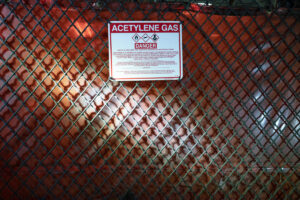
Likewise, gas group ratings require careful scrutiny. These start with the most dangerous and volatile gases being Group A type gas, such as Acetylene. Next down are Group B type gas with gases like Hydrogen and Etheylene Oxide continuing down to Group C, and finally, Group D types gas which contain less volatile gases like Propane and Gasoline vapors.
Considering Gasoline vapors are some of the least flammable in this list is a sobering reminder of how dangerous these gases can be. These critical differences can often go unnoticed by safety professionals who mistakenly rely solely on a Zone rating for guidance.
Without a complete understanding of these T codes and gas ratings, it is not hard to imagine a scenario where someone might unknowingly believe that any device rated for Zone 0 would be safe in a Zone 1 environment which is not true.

Here is a couple of product marking files to illustrate this point.
II 1 G Ex ia IIA T1 Ga This is a Zone 0 product
II 2 G Ex ia IIC T4 Gb This is a Zone 1 product
 In these examples, this Zone 0 device with a T1 code and a rating for Group D type gases would NOT be safe for use in a Zone 1 environment that requires a T4 code and a rating for Group B type gases. Thus, this Zone 0 product would not be safe for use in this particular Zone 1 environment.
All equipment safety ratings must be based on the potentially hazardous environment it may encounter in regular use as well as unexpected situations since the current environment may quickly change. If you are working in a Zone 1 environment containing Group A type gases and your portable lighting is not rated for a Zone 0 environment, an accident or malfunction that causes you to drop your equipment while rushing to safety could have disastrous consequences. If you are unsure, analyze the work environment, determine the worst-case scenario, and equip your teams accordingly.
 When your team needs to focus on completing their job with confidence, knowing their equipment was properly designed and correctly rated for the environments they will be or might be working in, trust Nightstick.
Nightstick is a global manufacturer of over fifty intrinsically safe professional, portable LED lighting products that exceed industry performance, quality, and user safety standards. When your life depends on light, trust Nightstick.
Visit nightstick.com to find the certification level, features, runtime, and lumens you need with our Light Finder tool and use the dealer locator to find your nearest dealer.