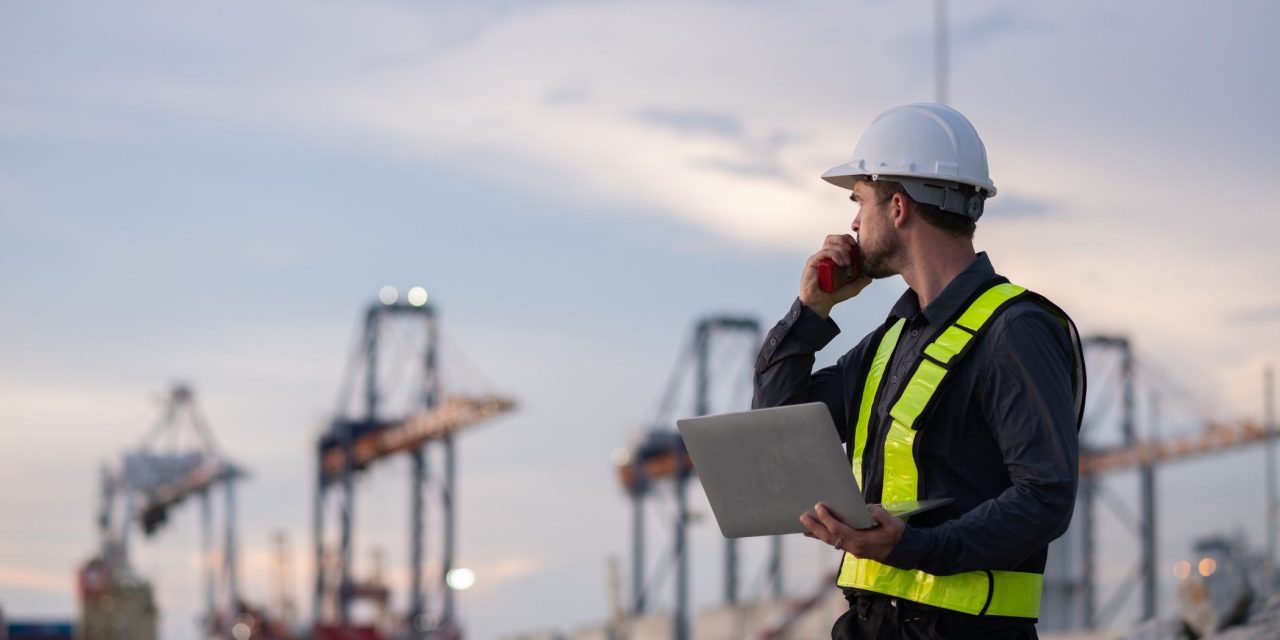
Traditionally, marine engineers have worked in physical, hands-on environments, whether in shipyards, offshore installations or aboard vessels. However, advancements in automation and connectivity are changing the way marine engineering operates, enabling a shift towards remote and flexible working practices. Here Jack Berryman, founder, director and engineer at specialist offshore engineering firm, MintMech, explores how this change is improving efficiency, enhancing safety and attracting new talent to the sector.
The move to remote work has been a major trend across many industries in recent years. The Office for National Statistics reported that, in 2019, only five per cent of the UK workforce worked mainly from home. This figure rose sharply during the pandemic, settling at around 30 per cent as of late 2024.
We are also seeing this move towards remote work in the marine engineering sector, which has traditionally required on-site presence due to the nature of the work. The idea that marine engineering is a hands-on profession has long been ingrained in the industry, but digitalisation is enabling engineers to manage, diagnose and even repair systems from a distance.
The increasing adoption of sensor technology and real-time monitoring systems allows engineers to oversee vessel performance from onshore locations. These systems provide critical data on engine efficiency, structural integrity and fuel consumption, enabling rapid decision-making without the need for engineers to be physically present. The development of digital twins — virtual models of vessels and marine systems — further enhances this capability, allowing engineers to simulate and test different scenarios remotely before implementing solutions in the real world.
Unmanned and autonomous systems
One of the most significant advancements in marine engineering is the development of unmanned and autonomous vessels such as Oseberg H, the world’s first remote controlled offshore oil platform, or Ocean Infinity’s Armada Fleet. The latest generation of remotely operated drills and maintenance equipment allows for complex operations to be conducted without a human onboard. This not only reduces the risks associated with hazardous environments but also lowers operational costs by reducing crew requirements and improving efficiency.
Autonomous surface and underwater vehicles are already being deployed for surveying, inspection and maintenance tasks. These machines can operate for extended periods without human intervention, relaying real-time data to engineers who can analyse and respond to issues from a safe and controlled environment. The growing integration of AI and machine learning in these systems means that their capabilities are only going to improve, enabling predictive maintenance and more advanced decision-making processes.
Challenges and opportunities
While the move toward remote and flexible working offers numerous benefits, it also presents challenges that the industry must address. One of the key concerns is cyber security. As marine engineering systems become increasingly connected, ensuring the security of data and communication channels is paramount in preventing unauthorised access or potential disruptions.
Another challenge is the need for a skilled workforce that can adapt to these technological changes. Traditional marine engineering roles are changing, and future engineers will need to be proficient in software management, data analysis and digital troubleshooting in addition to their mechanical expertise.
Changes should be gradual, to avoid removing learning opportunities for early career workers. Likewise, investing in training and education will be crucial to bridging any skills gap and ensuring that engineers are ready for the demands of a more digitalised industry.
On the other hand, these advancements present opportunities to attract a new generation of engineers to the sector. The ability to work remotely or in hybrid roles makes marine engineering more appealing to those who may have been deterred by the traditional expectations of long periods at sea. By embracing flexibility and remote capabilities, companies can broaden their talent pool.
The future outlook
The shift towards remote and flexible work in marine engineering is not a passing trend. As technology continues to advance, we can expect even greater automation, improved connectivity and further integration of AI-driven systems. This evolution will make marine engineering safer, more efficient and more adaptable to the needs of modern industry.
For engineers, the future holds exciting possibilities, offering new ways of working that balance technical challenges with greater flexibility and accessibility. At MintMech, we are excited to be part of this transformation, supporting innovative engineering solutions that align with digitalised marine engineering. While the industry may look very different in the coming years, the principles of problem-solving and precision will remain. By harnessing new technologies and adapting to changing work environments, marine engineering can continue to thrive in the 21st century and beyond.