
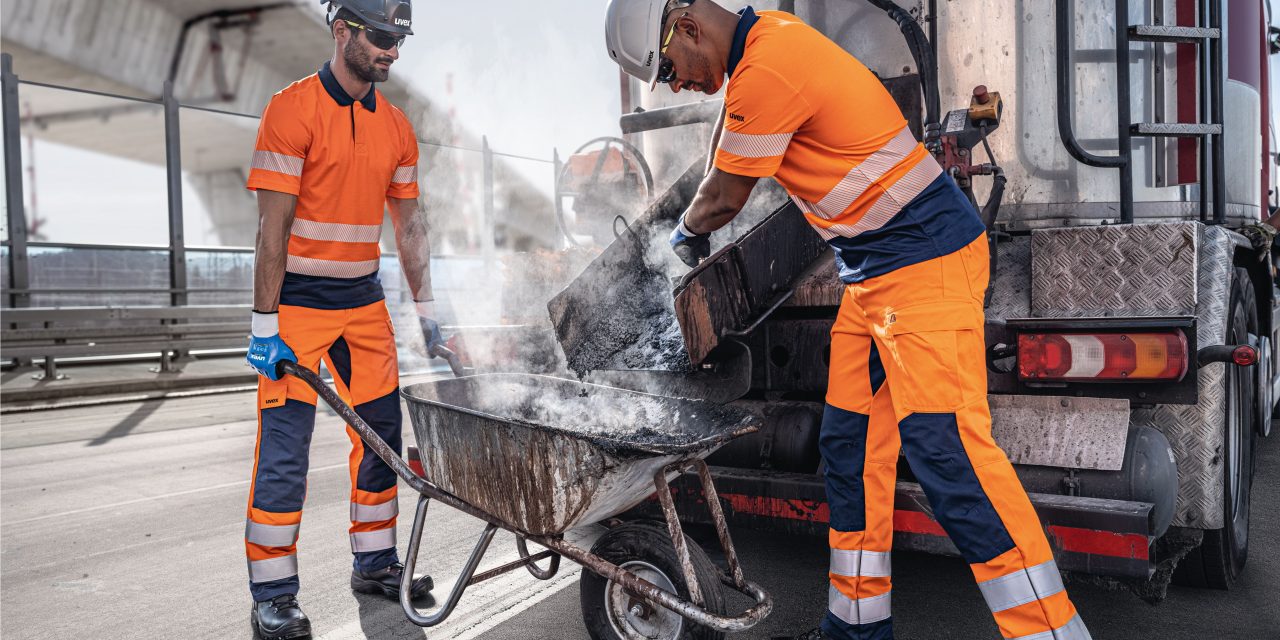
Sweat is not typically at the forefront of PPE discussions, yet its impact on comfort, behaviour, and compliance is significant. Heat stress and moisture build-up can directly affect how PPE is worn, making them a key factor in whether protection is used consistently and correctly in real working conditions. Clair Weston, of uvex explains more.
The physiology of sweat in the workplace
Sweating is a natural thermoregulatory process essential for maintaining core body temperature. In physically demanding environments or elevated temperatures, sweat production increases significantly. When PPE is worn, and in particular, multiple items worn together, airflow is often restricted, limiting evaporation and leading to heat and moisture accumulation.
Feet are a major source of perspiration. On average, a person can produce approximately 250 ml of sweat through their feet per day. Within enclosed safety footwear, this moisture is retained for longer periods, creating a warm, humid microclimate. This can contribute to discomfort, skin irritation, and reduced wearability over the course of a shift.
Hands are similarly affected. In safety gloves with limited breathability or made from unsuitable materials, sweat can build up rapidly. This can reduce grip, impair dexterity, and interfere with task performance, particularly in precision work. Prolonged moisture and friction may also aggravate underlying skin conditions such as eczema or dermatitis, making appropriate glove selection, fit and breathability particularly important for wearer comfort and compliance.
The relationship between comfort and compliance
Thermal discomfort has a direct influence on user behaviour. Persistent heat and moisture can lead to distraction, reduced concentration, and increased fatigue. Under these conditions, PPE is more likely to be adjusted, worn incorrectly, or removed intermittently.
Even brief lapses in PPE use can increase exposure to hazards. For this reason, wearer comfort is a fundamental component of effective protection. PPE that supports thermal regulation and moisture control is more likely to be worn consistently and correctly throughout the working day.
Moisture management in PPE design and use
Modern PPE design increasingly incorporates features that support moisture management. In safety footwear, breathable materials and moisture-wicking linings and climate-optimised insoles help transport sweat away from the skin and support evaporation, contributing to a more stable internal environment. Lightweight construction and ergonomic fit further reduce wearer fatigue, pressure and friction, helping improve comfort over the course of a shift.Education regarding ongoing maintenance is also essential. Regular replacement of insoles, allowing footwear to dry fully between uses, and maintaining cleanliness all help preserve breathability and ensure that moisture can escape as intended.
In hand protection, appropriate glove selection is critical not only for task, hazard and environment suitability but materials, liner construction and coating coverage that improve airflow and reduce heat build-up can enhance comfort, particularly during prolonged wear. This helps reduce moisture accumulation and supports sustained use without compromising protection.
Head protection also contributes to thermal management. Helmets with integrated front-to-back airflow systems that support natural directional airflow help move warm, humid air away from the head, assisting heat dissipation and reducing thermal discomfort. Correct harness adjustment, lightweight construction and absorbent, replaceable sweatbands further support comfort by helping manage perspiration, reduce pressure points and maintain hygiene.
Sweat and sun protection
Sweat can also influence sun protection behaviour. The application of sunscreen around the eyes is often avoided due to the risk of perspiration causing irritation. This can leave highly sensitive skin exposed to ultraviolet radiation over extended periods.
Safety eyewear provides important additional protection in this area. Designs that extend coverage around the eyes, combined with UV400 protection, block 100% of harmful UVA and UVB rays and help protect areas that may otherwise remain exposed during outdoor work.
Conclusion
Sweat plays a significant role in how PPE performs in practice. Its effects on comfort, grip, visibility, and thermal regulation can influence behaviour throughout the working day.
Addressing moisture management through product design, correct selection, and proper maintenance supports consistent PPE use. Recognising sweat as a critical factor in compliance helps ensure that protective equipment delivers reliable protection when it is needed most.
Read other recent news: https://industrial-compliance.co.uk/category/news/


