Flooded burrows and saturated ground are pushing rodents toward dry indoor spaces, creating reputational and health concerns for building operators. Jaraad Hunt from Safeguard Europe, the building health specialist, explains why sightings are rising and how managers can mitigate the threat.
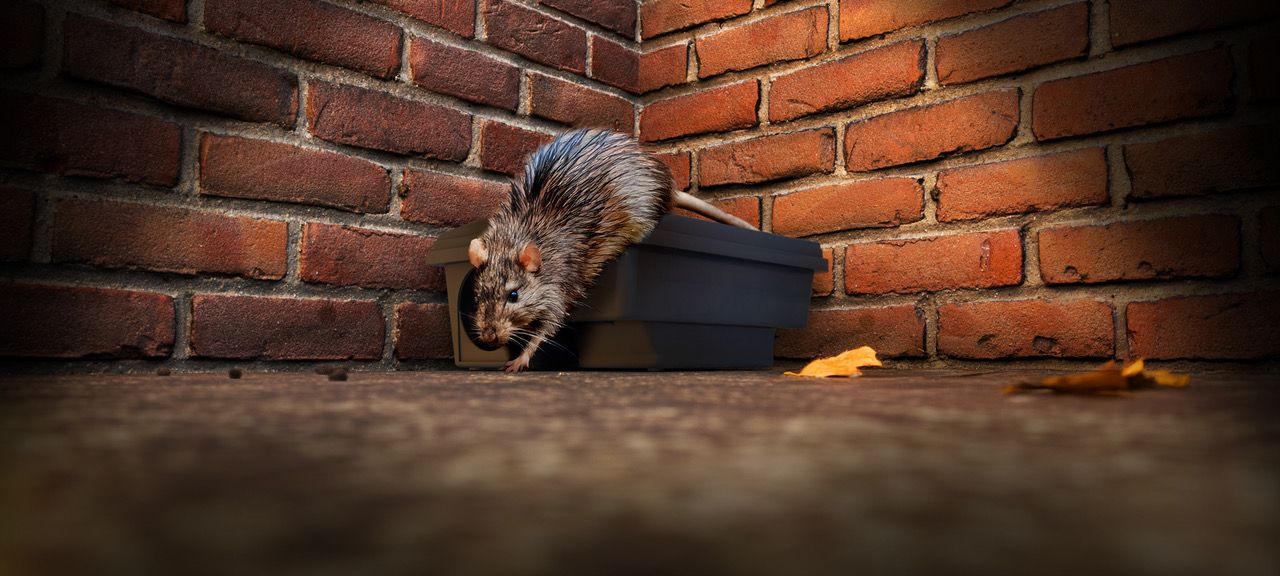
Prolonged wet weather across parts of the UK is driving a rise in rodent activity around buildings, as sustained rainfall forces rats and mice out of flooded habitats and into dry indoor environments. In some regions, weeks of near-continuous rain have disrupted the underground conditions that normally keep rodent populations hidden, flushing them from burrows and contaminating their food sources. As a result, we are seeing increased interest in pest control solutions as reports of sightings are increasing across a wide range of properties.
Why persistent rain is driving rodents indoors
Rodents displaced by heavy rain are far more visible than usual. Because rats are typically nocturnal, daytime sightings often signal habitat disruption or population pressure. When prolonged rainfall collapses nesting systems or overwhelms drains and sewers, rodents are driven into open areas while searching for shelter. For building and facilities managers, this frequently leads to complaints from staff, visitors or tenants. In public-facing environments such as retail centres, hospitals, schools and residential developments, even a single sighting can quickly become a reputational concern.
Complaints, compliance and reputational pressure rise
The risks are not just perceptual. Rodents are linked to contamination hazards and can damage infrastructure by gnawing wiring, insulation and pipework. Building operators also have legal responsibilities to address infestations promptly under UK pest and public health legislation, with potential enforcement or liability consequences if they fail to act. In the UK, organisations must manage infestations responsibly under legislation such as the Prevention of Damage by Pests Act 1949 and the Glue Traps (Offences) Act 2022, alongside wider animal-welfare and trapping regulations. Periods of heavy rainfall can therefore turn pest control from routine maintenance into an urgent risk-management issue.
Rapid reproduction adds to the challenge. Rats can breed within months and produce several litters a year, while mice can reproduce even faster indoors. This means a small number of displaced rodents can establish a population before it is detected. Entry points are often tiny: rats can squeeze through gaps of around 15 mm, and mice through openings little wider than a pencil. In wet conditions, when rodents are actively searching for dry refuge, these vulnerabilities become prime access routes.
Facilities managers must balance speed with strategy. Quick action may reassure occupants, but effective control depends on identifying root causes rather than relying on reactive measures. Best practice prioritises proofing and prevention including sealing gaps, improving waste storage, removing food sources and fixing drainage issues before targeted treatment is considered. Monitoring activity is essential to ensure any intervention is proportionate, effective and compliant.
Method choice also matters. Some approaches that appear humane can be ineffective or inhumane. For example, if relocated rodents are released close to where they were caught, they often return. If released further away, they rarely survive in unfamiliar environments. This can cause unnecessary suffering, which is illegal under the Animal Welfare Act 2006. Regulations now restrict certain control tools, so pest management programmes must be carefully planned and often require specialist input. The most effective strategies combine prevention, monitoring and targeted treatment rather than indiscriminate action.
Changing weather patterns are making this issue more noticeable. Rodent problems were once strongly seasonal, but milder winters and prolonged rainfall are extending activity across the year and increasing the likelihood of sudden spikes in sightings.
Extended periods of rain typically drive rodents out of their usual habitats. Buildings that offer warmth, shelter and food quickly become prime targets, and increased visibility raises expectations for swift response. Facilities teams that anticipate this pattern and invest in prevention-led, humane control measures will be best placed to protect occupants, maintain compliance and safeguard reputation even during the wettest conditions.
For more information about pest control or support managing this issue: visit: https://safeguardeurope.com/
Read other recent news: https://industrial-compliance.co.uk/category/news/