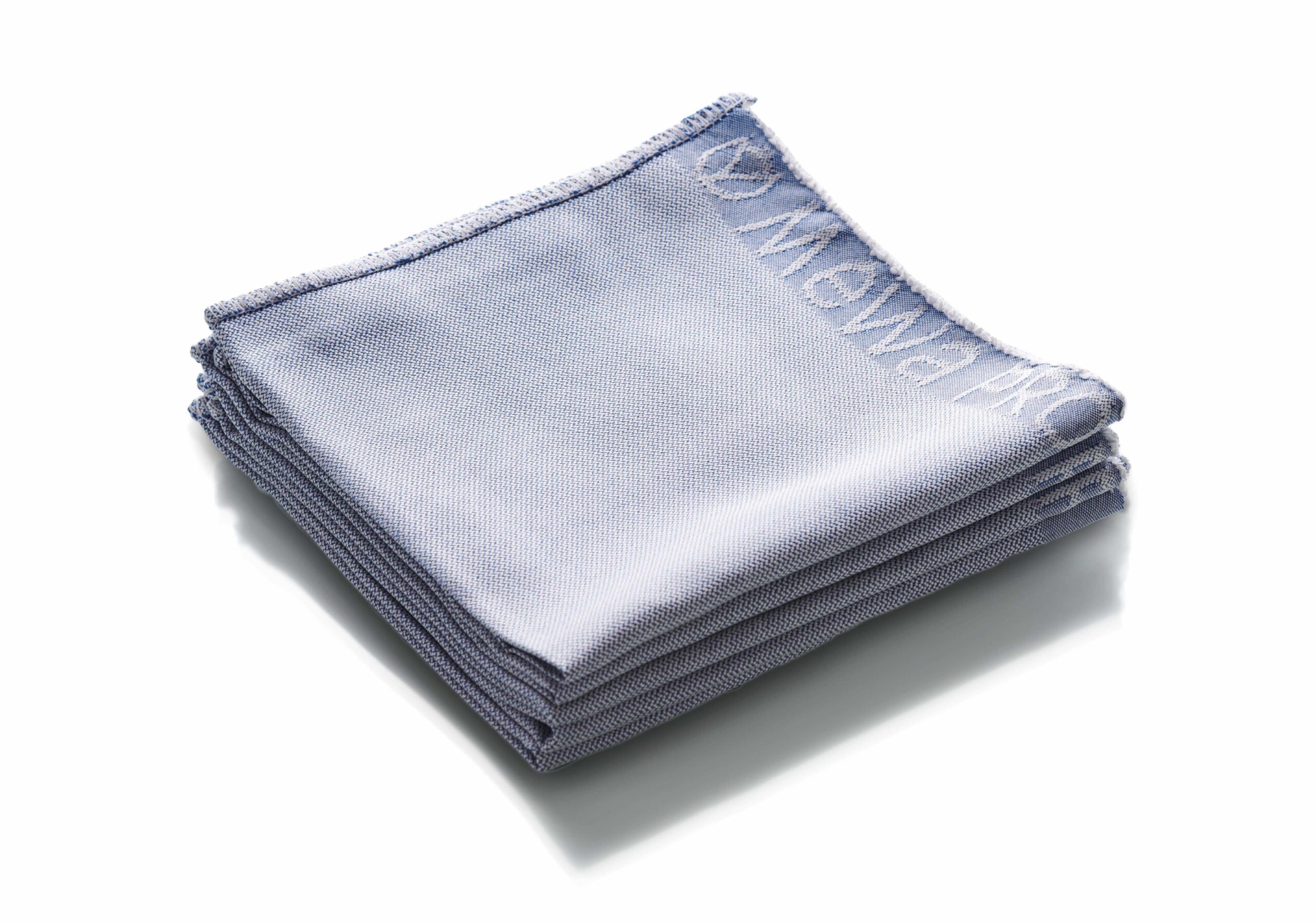
A study by the climate-neutral consulting firm, ClimatePartner has shown the enormous ecological footprint of disposable cleaning cloths compared to reusable textile cloths.
The study looked at water and energy consumption, as well as CO2 emissions during the manufacture [and use] of both types of wipes. The results showed significant differences, up to 40 times more, in the resources used to remove one kilogram of dirt.
A Mewa MEWATEX reusable cloth (based on an average use of 25 times) and two types of disposable wipes were tested; a 100% cellulose paper towel and a non-woven cloth made of 70% cellulose and 30% polypropylene. One usage was defined as picking up 1 kg of dirt.
Among the results of the study, it was found that the total amount of water consumed when using a 100% disposable paper towel is 188,500 litres, compared to just 4,538 litres for the MEWATEX reusable wipe. The energy consumption during production was also clearly contrasting; a MEWATEX reusable cloth consumes nearly three times less energy than a disposable cloth with 87 kWh compared to 31 kWh for a reusable cloth.
In terms of greenhouse gas emissions generated, disposable wipes cause between 2.8 and 5 times more pollution than reusable cloths: 33.3 and 61.6 kg of CO2 compared to 11.9 kg of CO2.
Also remarkable was the difference in the amount of textile needed to make the cloths. The amount of textile used in a disposable paper-based cloth is 25.5 kg compared to just 0.5 kg for a Mewa cloth that has a cleaning life of up to 50 applications.
Commenting on the findings, Guenes Yenen, Mewa UK Managing Director, said: “It is obvious that the more often something is used before it is replaced, the smaller its environmental footprint, but what this study has worryingly revealed is how large the ecological footprint is to make a disposable cloth that is thrown away after a single use. Cleaning wipes are one of the most commonly used consumables in almost all industries. Millions and millions are used and disposed of every day. Companies need to rethink the impact of their choice of cleaning cloth on the environment.”