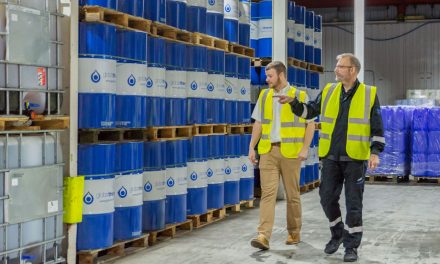
Dave Atkinson, UK Head of Manufacturing at Lloyds, outlines the importance of skills and investment to driving sector growth and unlocking the opportunities set out within the UK’s new Industrial Strategy.
British manufacturing remains among our most resilient and innovative sectors, underpinning the UK’s industrial base.
The sector, though, is at a critical juncture as it looks to implement new technologies and deliver the productivity gains that will maintain its long-term competitiveness on the global stage. This, at a time when it is also looking to create additional growth through its transition to net zero.
These are just some of the opportunities outlined in the UK’s new Industrial Strategy, which sets out a roadmap for the future and provides welcome clarity on how the government intends to stimulate investment in key sectors – including manufacturing – through closer collaboration between public and private capital.
But as businesses aim to unlock the sector’s potential – and for the UK to be recognised as the best place in the world to start, grow, and invest in industries like advanced manufacturing – the sector is navigating a series of structural and strategic challenges. Manufacturers face challenges including high energy costs, cyber risk and supply chain disruption.
When it comes to the sector’s long-term future, though, it is arguably the skills agenda that is most pressing. Make UK estimates that addressing the 55,000 industry roles that are currently unfilled could contribute up to an additional £6 billion a year to the UK economy.
Bringing through the next generation is imperative to closing that gap. Indeed, with emerging technologies reshaping production processes, there is a unique opportunity to connect manufacturers with high-quality training in areas such as electrification, digitalisation, and clean energy systems.
Indeed, with Make UK also finding that four in five firms (80%) are likely to implement new green technologies over the next five years, UK manufacturers will need to consider how training in emergent green skills can be built into their long-term plans.
The importance of the regions to this cannot be understated. As highlighted in the Industrial Strategy, more than eight in every 10 (84%) manufacturing jobs are based outside of London and the South East – compared to 69% for the overall economy. It’s for these reasons that we continue to partner with the Advanced Manufacturing Training Centre at MTC (Manufacturing Technology Centre) in Coventry. The partnership is currently celebrating its 10th anniversary, with a commitment from Lloyds in place to provide a further £1million in sponsorship every year through until 2029.
Over 700 of our manufacturing clients have accessed the Centre’s resources, with more than 115 having gone on to develop a formal relationship. In doing so, those businesses have achieved measurable benefits equating to more than £8million between them, enabling improvements and upgrades for equipment, automation and sustainability-led projects. Crucially though, the partnership has now supported more than 5,000 apprentices, graduates and engineers trained or upskilled via the MTC’s Apprentice Support Service. This is providing a platform for inspiring the UK’s future manufacturing leaders to develop the skills that will be critical to accelerate excellence across the industry.
It is innovative partnerships like this that will ultimately help inspire the next generation of innovators, engineers and technicians, by de-risking the financial investment in training and providing the external facilities for apprentices to develop foundational skills before being introduced to the factory floor to the benefit of their employer.
At its heart, the future of UK manufacturing will be shaped not only by the machines we invest in, but by the people we invest in. Closing the skills gap means inspiring the next generation, opening more doors for apprenticeships and ensuring that training keeps pace with a rapidly evolving industry. By equipping people with the knowledge and confidence to lead in advanced manufacturing skills areas, we can give manufacturers the workforce they need to thrive – and help individuals pursue meaningful, well-paid careers that support their communities.
If the sector commits to nurturing talent at every level, it will not only boost its own future, but also help deliver a stronger, more sustainable economy for the whole of the UK.
Read other recent news: https://industrial-compliance.co.uk/category/news/