In July 2022, the Met Office recorded its first ever temperature above 40°C in the UK, following a rigorous process of analysis and quality control. This was once considered an unlikely occurrence, but in recent years the UK has experienced increasingly intense heatwaves. Dave Curry, Health & Safety Lead at Salko UK, shares important first steps to ensure the industry is adapting to regular extreme heat conditions and exposure to related risks.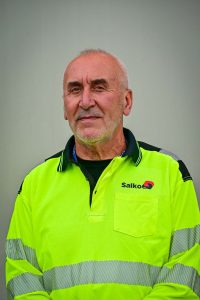
As climate volatility intensifies, the Mechanical and Electrical (M&E) sector needs to rethink how it delivers projects, protects its workforce and balances sustainability with resilience. The industry’s priorities need to focus not only on sustainability but also long-term operational resilience.
Preparing for unpredictable weather
Preparing for unpredictable weather is crucial for ensuring safety on-site. Mechanical and electrical systems can not only be regarded as supporting tools in the industry but as central to safety, sustainability and operational resilience. These tools need to be considered when temperatures rise, such as by installing mechanical ventilation fans to help manage elevated temperatures.
Ensuring employee safety
In warmer weather, the risk of employees experiencing heat stress due to pre-existing medical conditions increases. Workers need to be informed about recognising early symptoms of heat stress, along with encouraging peer-to-peer monitoring to spot these signs to ensure employee safety.
In the M&E sector, climate resilience involves tracking, assessing and understanding how effectively projects, systems, and communities prepare for, adapt and recover from climate-related risks. It is imperative across the industry to take proactive measures, such as building temporary shelters to protect construction workers from adverse weather conditions.
Managing time and resources
Unpredictable weather should be considered as part of the risk and opportunities process when planning outages. Once work starts it’s essential to consider weather forecasts in the rolling three – day lookahead schedule and be selective about construction activities to ensure work is conducted in a safe manner without delaying the program.
Adapting the program of work helps mitigate the effects of a changing climate, ensuring that work remains efficient, safe and up to high standards. Being proactive on-site is crucial for maintaining safety standards and minimizing quality issues. Safety should always be the utmost priority and project leaders can successfully handle unpredictable conditions when managing effectively.
For more information, please visit www.salko.co.uk.
Read other recent news: https://industrial-compliance.co.uk/category/news/