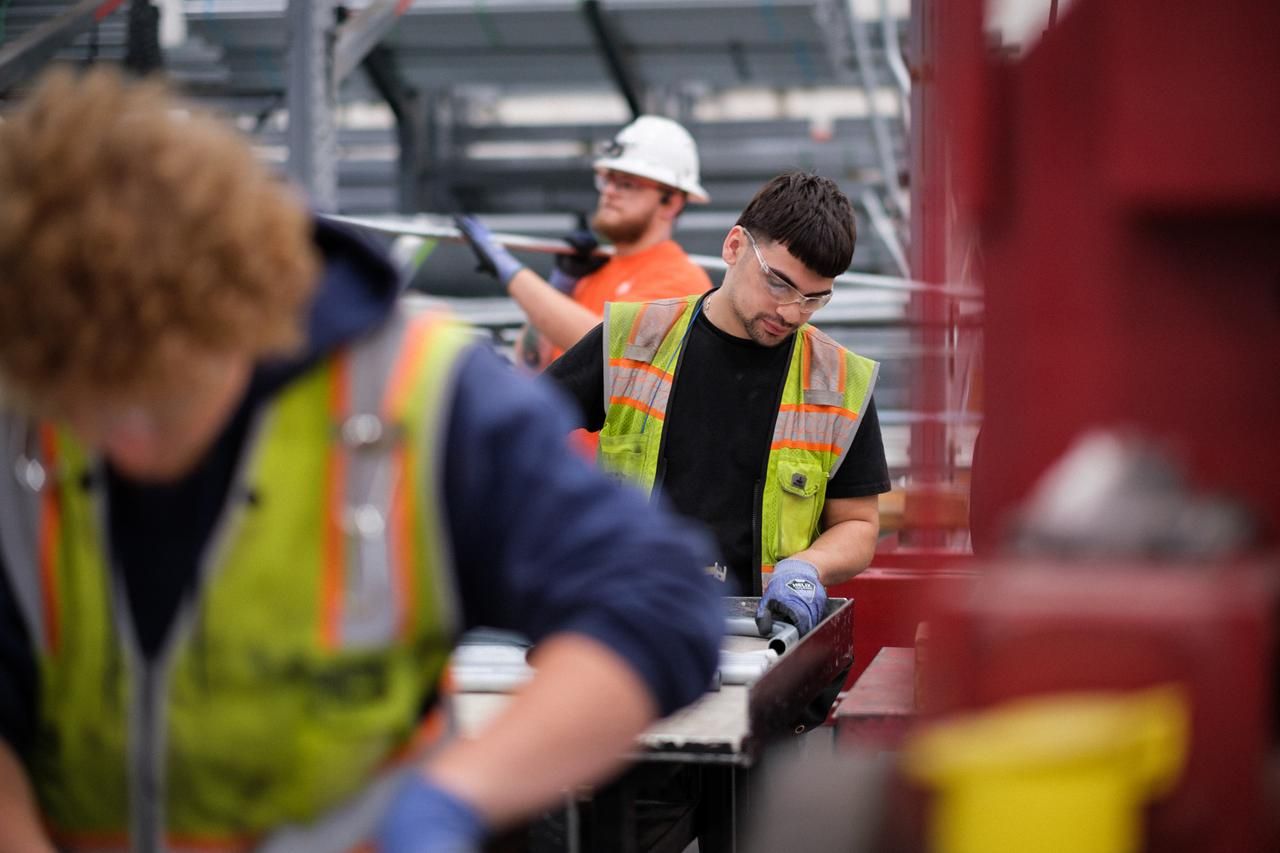
Frontline manufacturing staff in the UK say they are being prevented from doing their job properly by the nation’s weather, prompting calls for employers to provide extra support.
Hot weather has been singled out as the biggest disruption in the past 12 months, in a survey of UK frontline manufacturing workers by global technology company SafetyCulture. Four of the top five disruptions to the UK’s frontline workforce are weather related, with travel disruption on the roads, icy weather, poor air quality and floods also being identified.
These external factors impact productivity with 40% of manufacturing workers having arrived late and a fifth (21%) having had to take extra breaks at some point in the past year. Worryingly, nearly a third of staff (30%) reported feeling physically or mentally unwell as a result of disruption.
This frequent disruption contributes to the UK’s manufacturing workforce feeling stretched and stressed. Two-thirds (63%) admit cutting corners at work in a way that may have risked the health and safety of themselves or a colleague. Respondents to SafetyCulture’s survey who cut corners said they did so because they were under pressure to meet deadlines (60%), were often understaffed (60%), and felt poorly equipped (50%).
Even in modern facilities, hot outside temperatures can cause lower productivity and increase staff downtime and absence. Nighttime heat can also disrupt sleep, resulting in tired workers and increasing the risk of safety incidents on-site. Previous research found that hot weather reduces manufacturing productivity even in air-conditioned factories, with productivity down nearly 1% for every 1°C increase in outdoor temperatures1.
The findings come ahead of the World Day for Safety and Health at Work on Sunday 28th April, which is run annually by the UN’s International Labour Organisation.
Alex Brooks-Sykes, SafetyCulture’s lead for UK & Ireland, said: “The British have a reputation for grumbling about the weather, but for manufacturing workers it can stop a good day’s work and even impact their safety.
“Anyone who has spent time sweating on the shopfloor knows that it inevitably leads to more downtime and lower utilisation, and needs greater attention to the potential risks. Staff absences and disruption are also bad for manufacturing businesses forced to continually juggle resources, and cause another drag on the nation’s productivity.”
SafetyCulture’s workplace operations platform is used by more than 18,000 UK businesses including Muller, Unilever, and Donaldson Group. Founded in Australia in 2004, the company aims to reach over 100 million deskless workers globally by 2032.
With the Met Office forecasting 2024 will be another record-breaking year for hot temperatures in Britain, SafetyCulture suggests manufacturers can do more to support frontline workers.
Alex added: “Communication is key. Accepting that we can’t change the weather, manufacturers should maintain an open dialogue with frontline workers and ensure reports from the ground are taken seriously. Managers with office comforts can be detached from operations on the shop floor or in the field, but the technology exists to react in real-time, minimise disruption and keep workers safe by ensuring they’ve got the right equipment and training to handle every climate. They’re simple principles but they can make a big impact.”