In conversation with Chelsea Sun, Business Manager at GTK
From 5 February, the UK celebrates Time to Talk Day, a time for the nation to come together to discuss mental health. Negative mental health is on the rise across the country, with one in five adults now suffering from a common mental health condition – a 20% increase in just over a decade.
Nowhere is this felt more prevalently than at work, with the Trades Union Congress (TUC) declaring a work-related stress crisis in January 2026, based on shocking findings that 22 million working days were lost due to stress in 2024/2025.
Studies show that this mental stress is more prevalent for women, with the British Safety Council reporting that female workers are subject to higher levels of workplace stress than their male colleagues. This is further evidenced in middle-aged workers, with two in three women over 50-years-old suffering from poor mental health.
In UK manufacturing, which has seen an employee turnover of 34% due to mental health struggles, the current climate means there’s never been a more important time to rally behind female staff members to ensure that they’re supported.
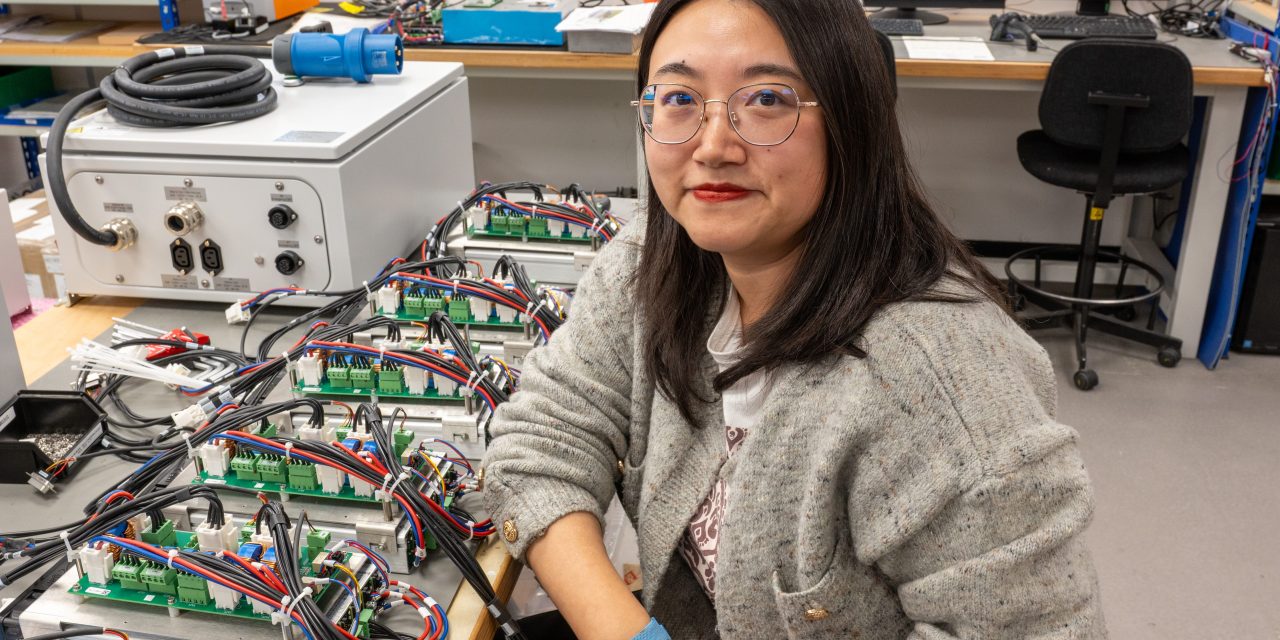
To uncover some of the hidden challenges women face in manufacturing and how to overcome them, we spoke to Chelsea Sun, Business Manager at electronics manufacturer GTK, to find out more about her journey within a leading UK manufacturer.
What mental health challenges do you think women in manufacturing face most often today?
“I think the biggest challenges are not feeling recognised – feeling unseen,” Sun says. “Being a woman in a male-dominated environment can already be challenging, while language and cultural differences can make it even harder. Balancing work and life, career progression pressures and returning to work after maternity leave also adds significant psychological strain.”
Have you seen a shift in how mental health is viewed within the manufacturing industry, at both factory and management levels?
“I have noticed positive changes,” Sun confirms. “Management is increasingly aware of mental health but, at the frontline and in day-to-day operations, there are still gaps across the industry. More structured support and open communication channels are needed, and I’m glad to say that GTK has these in place.”
Do you think women feel comfortable raising mental health concerns at work, or is there still a cultural barrier?
“In my experience, many women can be hesitant to speak up, especially in male-dominated environments,” Sun says. “However, a good company culture can make this much less of a barrier. I’m fortunate that this isn’t a concern that I have to face personally, but I know many struggle within their organisations.”
How does representation and visible female leadership influence confidence and mental wellbeing in manufacturing?
“Seeing women in leadership positions proves to other women that they can be seen too,” Sun says. “Role models like this are incredibly important for mental wellbeing: they boost confidence and encourage women to speak up and pursue further career opportunities.”
Do women in manufacturing face unique, sometimes unseen challenges exclusive to them? If so, what are they?
“Yes, there are challenges, and they’re not just specific to manufacturing,” Sun explains. “As a woman, especially a woman who wasn’t born in the UK, I often felt overlooked early in my career before coming to GTK, with fewer opportunities for recognition or promotion. I was ambitious and willing to put a lot of energy into my work, but it was discouraging when my contributions were not acknowledged or my opinions were not sought.
“More recently, returning to work after maternity leave was especially challenging, as so much had changed during my time away. These hidden pressures are often invisible to others who haven’t been through it themselves.”
“Be brave in expressing your ideas and needs, and seek good support networks. Don’t be afraid to ask questions or seek help – this is key to maintaining mental wellbeing under pressure.”
What responsibility do business leaders have when it comes to supporting mental health in traditionally male-dominated industries?
“Leaders need to actively pay attention to employees’ mental wellbeing, particularly women and minority groups,” says Sun. “This includes ensuring company rules are clear to everyone, covering areas such as promotion pathways, learning opportunities and personal packages. It’s essential to create an open, inclusive environment where people can voice concerns without fear of judgment.”
In your experience, which practical initiatives have had a positive impact?
“Flexible working hours was the main initiative that supported me when I returned to the office after maternity leave,” Sun explains. “Having flexibility with my working time helped me better manage work and family responsibilities during that transition.”
Why is Time to Talk Day a valuable opportunity for manufacturing businesses to address mental health more openly?
“For someone like me, who has experienced maternity leave and cultural differences, open conversations are crucial – they help reduce those feelings of isolation and being overlooked.”
Looking ahead, what changes would you like to see across the manufacturing sector to better support women’s mental health?
“In the manufacturing sector, I hope to see more women in leadership roles, greater support for employees returning from maternity leave and more inclusivity for language and cultural differences,” Sun explains. “These changes will help all women feel valued, improve mental wellbeing and increase job satisfaction.”
Experiencing stress-related struggles at work? For support and advice in the UK, you can contact Mind on 0300 123 3393 or visit their website for resources and guidance.
Read other recent news: https://industrial-compliance.co.uk/category/news/