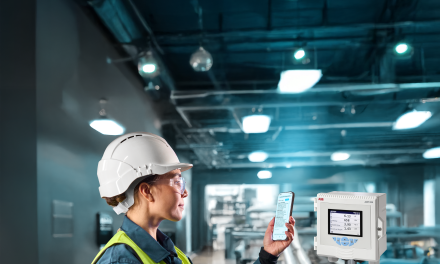
Industrial dust collection systems play a role in the drive for plant efficiency to optimise production and minimise costs, especially if those systems can go beyond basic on/off functionality. Intelligent dust collector control provides a more comprehensive view of the system throughout the plant, supporting real-time data tracking, performance optimisation and proactive maintenance. By integrating advanced sensors and cloud-based connectivity, these systems allow facilities to use operational data to improve productivity.
Such an intelligent approach to dust collection can support the streamlining of operations and productivity through tailored cleaning modes, precision pressure control, integrated remote monitoring, automated airflow management and proactive downtime prevention. Simplifying complex processes, reducing downtime and minimising waste allows manufacturers to maximise their output while using resources effectively. By helping to increase the effectiveness of dust control, it may become viewed within the business as a strategic advantage, rather than a complex burden.
Intelligently controlling a dust collector supports the efficient handling of manual tasks and the improvement of cleaning cycles, all helping to contribute to a more streamlined plant environment. Such an IoT-enabled platform allows the system to collect and analyse data from the collector in real time, so that alerts and notifications can be delivered directly to a user’s smart device, enabling remote troubleshooting. This simplification of dust collector management may translate into time and resource savings, allowing personnel to dedicate more of their focus to core production activities.
There are several key ways that a more intelligent dust collector control system simplifies management to support overall plant efficiency. These include cloud-based monitoring capabilities, more precise control, tailored cleaning regimes and simpler system management.
Cloud-based monitoring for enhanced efficiency
To support Industry 4.0 smart manufacturing approaches, a facility’s dust collection system should also be ‘smart’. This provides a platform that continuously tracks equipment performance metrics, provides actionable insights and enables plant managers to configure status alerts to be sent directly to their connected device. Web-enabled access delivers real-time analytics to support maintenance efficiency, which may help maximise operational uptime, and helps operators manage their environmental, health and safety (EHS) reporting requirements. Simplifying dust control management across multiple locations can help organisations further refine performance, minimise unscheduled downtime and support decision-making.
Implementing intelligent dust collector management facilitates the proactive resolution of performance issues through real-time data and remote trend analysis. This allows for the early detection of anomalies, such as rising differential pressure or inefficient cleaning, enabling technical interventions before operations are affected. The remote analysis of cleaning performance data also supports more precise adjustment of system parameters to maximise efficiency and conserve resources.
Regulatory reporting may also be streamlined through cloud-based reporting and automated data logging, which support ongoing adherence to different environmental standards. Remote diagnostic capabilities also mean that, for certain issues, troubleshooting may be initiated remotely, helping reduce the time and costs associated with manual inspections.
The use of a more intelligent dust collector control system also helps operators plan and proactively schedule filter replacements based on degradation trends rather than terminal failure. This helps avoid unplanned downtime and identifies the optimal point for filter replacement. As operators can monitor and manage the system from any location, they can be provided with real-time insights to mitigate downtime and control long-term operational expenditure.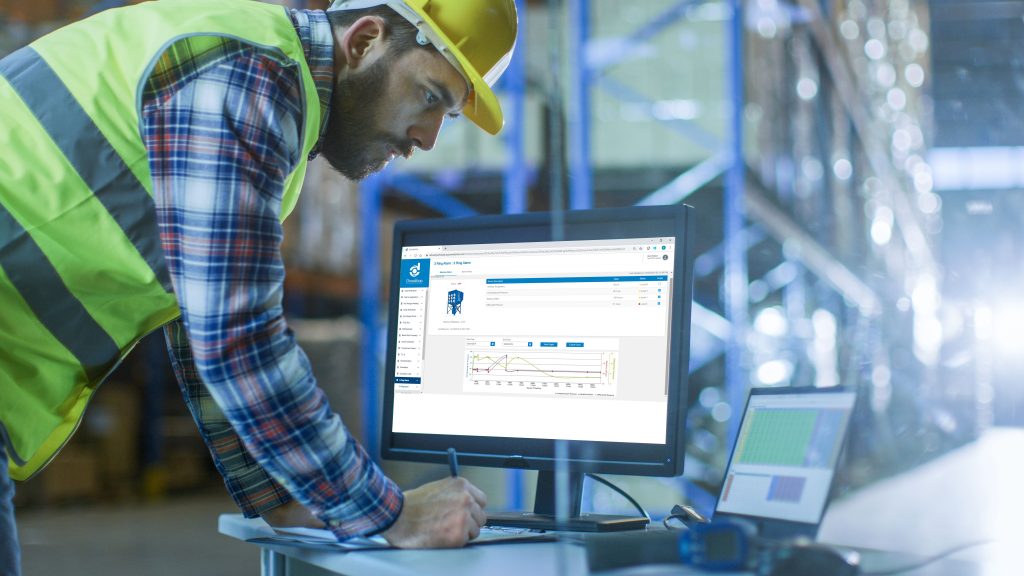
Precision dust collector control
In the context of Industry 4.0, such a proactive dust collector maintenance regime transitions the equipment from a passive utility to a strategic asset. This is because the advanced programmability of intelligent dust collector control systems means that critical pressure setpoints can be easily defined for timely alerts.
Precision differential pressure control means that cleaning cycles are triggered at the exact moment required. This supports the efficient use of compressed air, which can help extend the life of the filter media. Multiple cleaning options, including continuous, compressed air-based and downtime cleaning, can also be tailored to the specific dust type and application requirements.
By automating cleaning cycles and triggering timely alerts, the system supports a proactive maintenance regime, helping to eliminate reactive maintenance where a system is only serviced after an unexpected failure. This can help minimise unscheduled downtime because operators can identify gradual performance degradation early, and maintenance can be scheduled during planned plant shutdowns rather than halting production during peak hours.
Likewise, intelligent controllers can help extend filter life because pulse cleaning only occurs when technically necessary. This helps prevent ‘over-cleaning’, which can prematurely wear out filter media and waste expensive compressed air, thereby optimising total cost of ownership. This also supports energy efficiency goals, as a clean, well-maintained system operates with lower resistance so that the fan motor operates at a lower frequency, reducing electricity consumption.
Operational consistency can be further enhanced with tiered user access levels so that performance parameters remain within established tolerances. A greater level of granular control also helps operators achieve optimal system performance tailored to specific application requirements.
Tailored cleaning regimes
Rather than the more traditional one-size-fits-all approach to cleaning, an intelligent dust collector control system supports versatile cleaning modes that more specifically match application needs. Instead of taking a best-guess approach, operators can select the cleaning mode best suited to their specific dust collection challenges to help provide effective and efficient dust removal within the manufacturing plant.
Such a system should support the following operational modes:
- Automatic cleaning regimes:
- Auto continuous: The system executes cleaning cycles at predefined, regular time intervals.
- Auto pressure-initiated: Cleaning is triggered when the differential pressure across the filter media reaches a specified threshold to help support energy-efficient operation.
- Manual cleaning operations:
- Manual continuous: Cleans continuously while the system is activated and when airflow is detected.
- Manual cycle: Runs a single, pre-programmed pulse-jet sequence upon operator initiation.
- Manual single pulse: Activates a short cleaning burst on command, most commonly used for diagnostic testing or localised filter clearing.
- Downtime cleaning:
- Automatically initiates a final cleaning sequence following system shutdown. This clears residual dust from the media surface, helping prevent particulate ‘caking’ during inactive periods and providing low starting resistance for the next operational cycle.
Simplifying system management
By integrating airflow control functionality directly into the dust collector’s primary control system, the complexity of the infrastructure often associated with traditional extraction set-ups can be reduced. Purchasing, installing and maintaining standalone airflow control devices or manual dampers may no longer be required with this unified approach. Automated adjustments to the dust control system mean that fan speed is automatically and continually optimised based on real-time conditions. This supports consistent performance by freeing technical personnel from periodic manual adjustments, allowing them to focus on other maintenance or production tasks.
Smart controllers can also help address the high cost of unplanned interruptions. According to a 2019 Donaldson study, companies reported that the average cost of unplanned downtime due to a dust collector failure was $3,300 per hour. By using integrated sensors to track metrics such as fan energy, hopper plug status and pulse valve health, a smart system can help identify potential failures before they occur. For one customer, this predictive approach reduced dust collector preventative maintenance time by as much as 75 per cent.
Supporting a productive plant
The implementation of an intelligent dust collector control system transitions equipment from a passive utility into a strategic asset by providing the granular control and remote insights necessary to achieve optimal performance. For global operations, the ability to manage multiple locations through a single web-based dashboard supports operators’ efforts to provide peak performance across their entire enterprise. This connectivity can also help streamline operators’ EHS compliance efforts by automating data collection for audits, reducing the errors associated with manual entry.
Through continuous monitoring and real-time analytics, these systems facilitate operators’ proactive resolution of performance issues and help them identify anomalies early to mitigate unscheduled downtime. Maintenance can be strategically scheduled during planned plant shutdowns rather than halting production during peak hours, addressing the inefficiencies associated with reactive maintenance.
Intelligent controllers also support energy efficiency goals by using versatile cleaning modes and automated fan speed adjustments, with the aim of minimising electricity and compressed air consumption. By tracking filter degradation trends and having pulse cleaning occur only when technically necessary, the system is designed to prevent over-cleaning, which can help extend filter life and optimise total cost of ownership. By simplifying complex management tasks and providing a comprehensive view of facility operations, an intelligent control platform enables operators to manage dust collection effectively to support more streamlined, efficient and cost-effective manufacturing processes.
This information is provided for general guidance only and should not be considered legal, regulatory, or technical advice.
Author: David Van Eylen, Development Engineer at Donaldson, a global leader in technology-led filtration products and solutions, serving a broad range of industries and advanced markets.
Read other recent news: https://industrial-compliance.co.uk/category/news/