The spring and summer of 2025 saw multiple climate records broken, with England’s driest spring in 132 years and the hottest summer since records began in 1884. Driven by consistent high-pressure weather systems, this resulted in increased water shortages and a severe drought. These events reflect a broader trend of increasing pressure on UK water resources, with freshwater demand expected to outweigh supply by 40% by 2030 and a freshwater shortfall of nearly 5 billion litres per day by 2050 according to the Environment Agency.
For industrial operators, water scarcity offers significant challenges, as modern manufacturing, energy production, and logistics rely heavily on high-volume water supplies. Proactive water resilience planning is becoming increasingly more crucial for avoiding operational, financial and reputational risks.
Alternative supply methods, in particular water-tanker deliveries, are now pivotal for supporting industrial sites during the post-drought era, bridging the gap between water supply and demand.
From Mains Reliance to Multi-Source Water Strategies
When a single mains water supply becomes disrupted, it can completely halt manufacturing and production, impacting business continuity and safety. Therefore, for businesses wanting to establish operational security and prevent financial and safety risks, switching to a multi-source water strategy is more important than ever.
Implementing water source diversification means using on-site water storage facilities to retain accessible reserves when primary supply is unavailable or restricted.
There are two fundamental classifications of water used on industrial sites: non-potable and potable water. Non-potable water is water that is not fit for human consumption, while potable water is treated to the standards set by the UK Drinking Water Inspectorate (DWI) to create high-quality, safe water fit for drinking.
While water can be recycled from rainwater and operational wastewater for use on-site as drinking water or operational processes, this process requires specialised treatment systems, technical oversight, and ongoing maintenance expenditure. Failure to comply can result in enforcement action, financial penalties, and legal liability for those responsible.
For this reason, the most reliable supply method is tanker delivery from a licensed provider. These operators have a detailed understanding of regulatory requirements and water quality standards, and supply water that is compliant for its intended use.
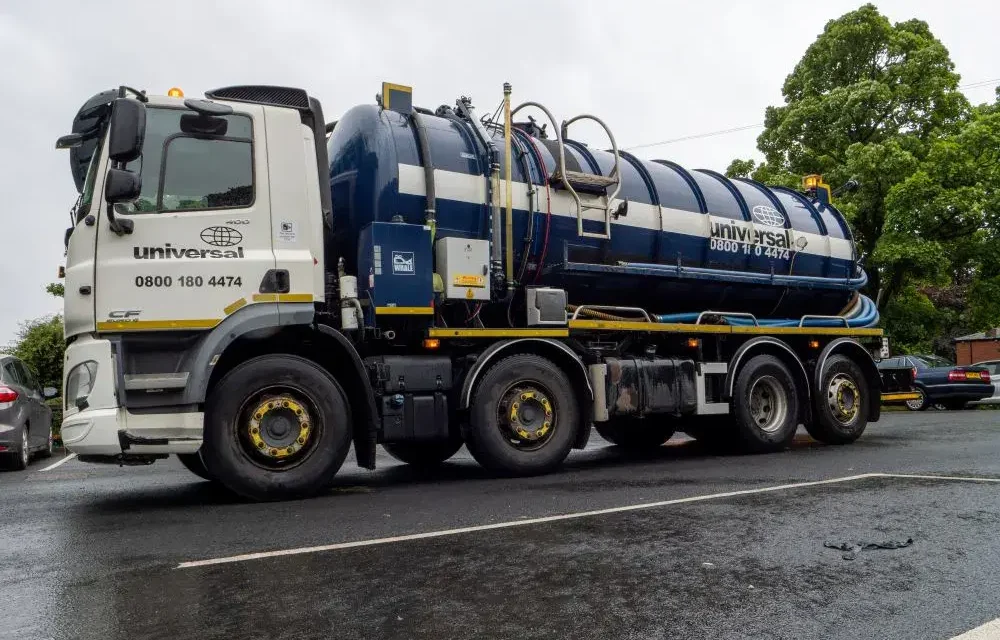
Although industrial water tanker services typically provide water during an emergency, they also offer planned supplies of water. Tankers can transport up t0 18,000 litres of water at a time, enabling scalable delivery volumes to meet a wide range of business requirements, making them suitable for storage in on-site tanks.
Author:
Craig Pennington, Managing Director at Universal Tankers
Read other recent news: https://industrial-compliance.co.uk/category/news/