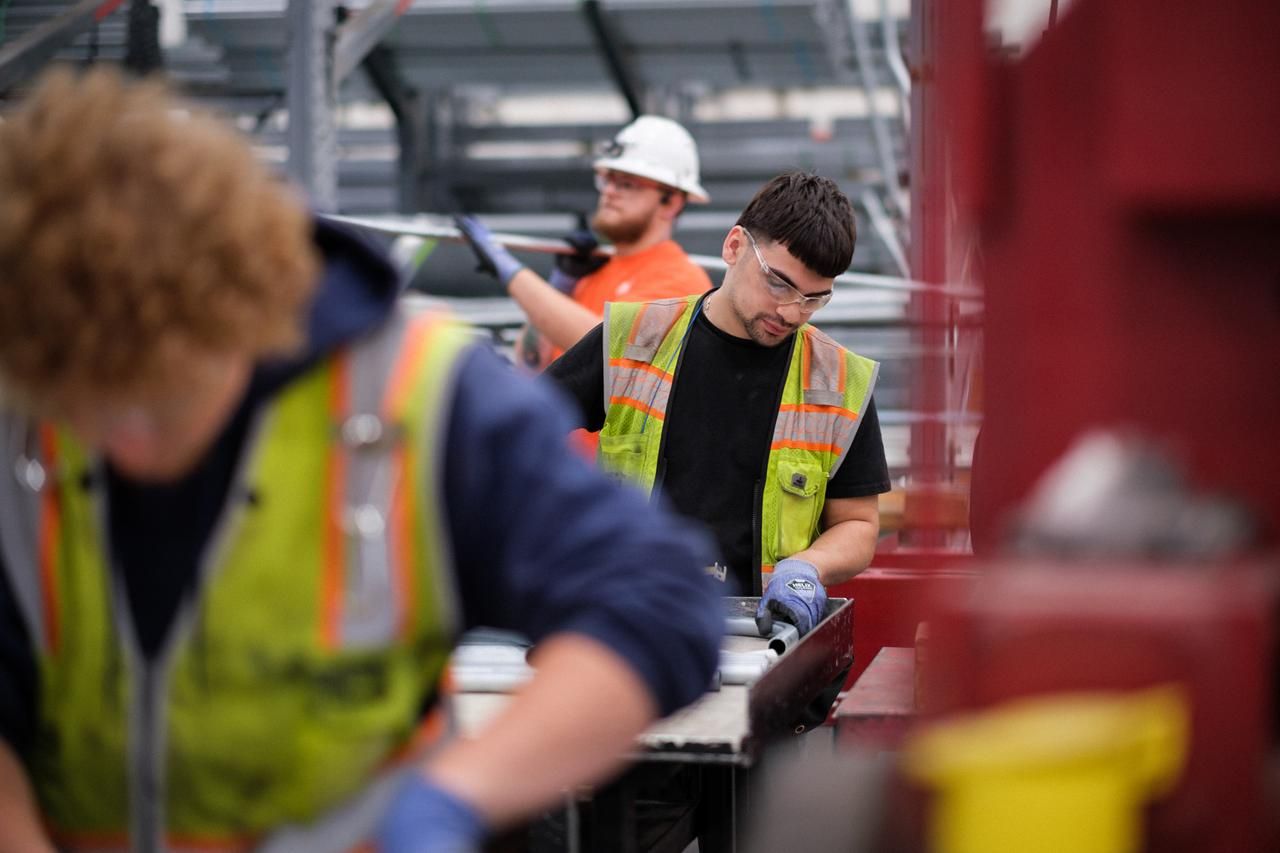
Frontline manufacturing workers in the UK say they’re having to cut corners and risk their safety to meet the demands of the job, prompting calls for employers to provide extra support.
According to new research, nearly two-thirds of workers in the manufacturing sector (63%) have admitted to cutting corners on the factory shop floor or elsewhere in a facility.
More than half of those surveyed (54%) also said they’d risked their own health and safety at work, with one in five having done so ‘several times’. Workers said they cut corners because they were under pressure to meet quotas, were understaffed, and poorly equipped.
The research further reveals a gap in trust, as one in five (20%) say they reported a near miss to their employer, but it wasn’t taken seriously. Another 12% who saw a near miss didn’t report it as they thought their employer wouldn’t take it seriously.
The survey was conducted by SafetyCulture, a global technology company whose workplace operations platform is used by more than 18,000 UK businesses.
Alex Brooks-Sykes, SafetyCulture’s lead for UK & Ireland, said: “We know that manufacturers operate in a high-pressure environment, needing to maintain high throughput while ensuring precision and quality. It seems that in workers’ efforts to put in a good shift and meet the demands of the job, they are putting themselves at risk.”
On top of pressures in the workplace, manufacturing staff reported feeling stretched and stressed by external disruption. Four of the top five disruptions to the UK’s manufacturing workforce in the past 12 months are weather-related, with hot temperatures, icy weather, floods, and poor air quality all preventing staff from doing their jobs, alongside road disruption.
These external factors impact productivity. Nearly half (40%) of workers said they arrived late, and nearly a fifth (17%) were unable to leave home at some point last year due to disruptions, meaning they couldn’t do their job at all.
Another concern for manufacturing businesses is that nearly a third of workers (30%) reported feeling physically or mentally unwell as a result of disruption.
SafetyCulture suggests employers can do more to support manufacturing workers dealing with disruptions.
Alex added: “Staff absences force manufacturers to continually juggle resources and are another drain on the sector’s productivity.
“With risk and disruption, communication is key. Management should maintain an open dialogue with staff on the shop floor and take reports seriously, especially as the technology exists to react in real-time and minimise disruption.”