DuPont Personal Protection is calling for greater awareness about the consequences of poorly selected and poorly maintained high visibility (hi-vis) clothing. In the EU, 24% of all workplace fatalities in 2022 were the result of a collision, and thousands more suffered non-fatal injuries. Often, the victim was simply not seen in time to prevent the accident.
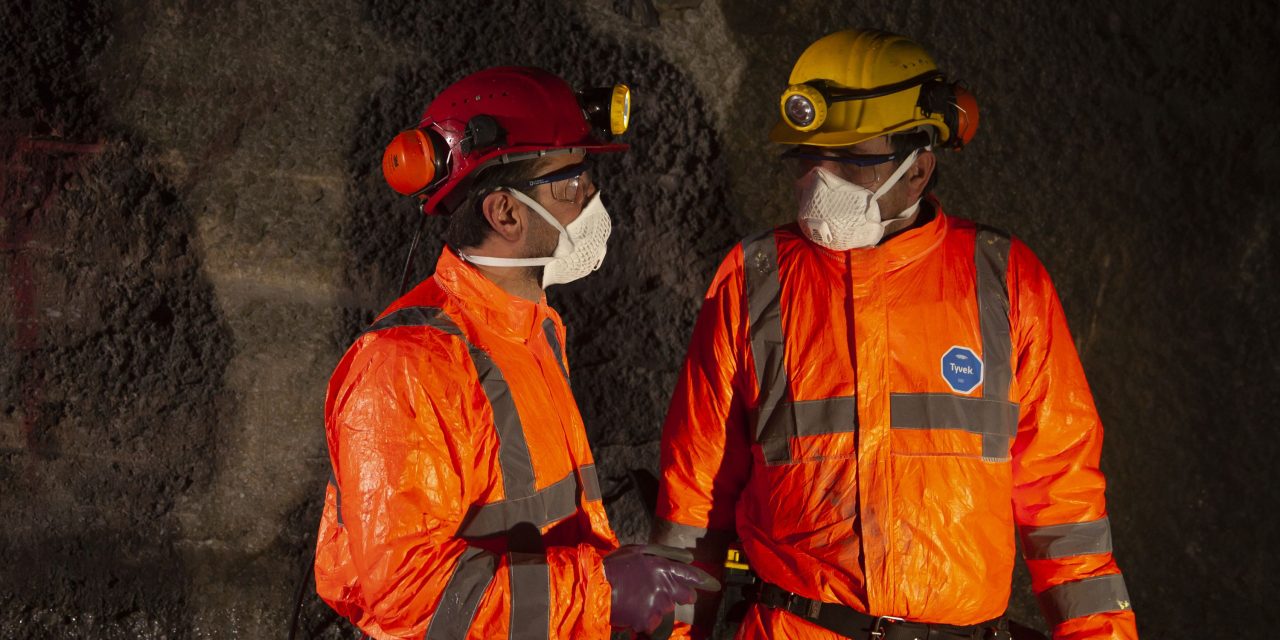
High-vis clothing has a crucial role to play in workplace safety. It uses a combination of fluorescent colors and retroreflective bands to make the wearer easily seen in various lighting conditions and work environments, such as night working in construction, busy warehouses, and railway maintenance. However, in the event of an accident, insurance companies may refuse to pay out if the color or retroreflective properties of the high-vis garment are found to be non-compliant.
Steve Marnach, EMEA Training Manager, DuPont Personal Protection, says: “The modern workplace presents multiple hazards, of which visibility is just one. HSE professionals are under more pressure than ever to ensure that workers are protected at all times. Selecting and managing high-vis clothing can be complex, particularly when chemical, biological, and mechanical hazards are also present. Correct laundering for reusable solutions and storage regimes are also important in preserving the reflective properties of high-vis garments and maintaining worker visibility.”
DuPont has published a new e-guide to help with high-vis garment selection, management, and disposal. See and be seen: A Best Practice Guide to High-Visibility Clothing Selection and Maintenance offers advice on selection criteria, from assessing visibility risks to understanding garment classifications, and explains the pros and cons of reusable and disposable high-vis garments. It also focuses on maintenance and care, explaining the importance of cleaning using the correct temperatures and detergents.
“Lack of adequate laundry facilities can lead to wearers washing their high-vis clothing themselves, which is completely unacceptable. Cross-contamination of the home is a big risk, and the wrong detergent or temperature will cause high-vis garments to deteriorate more quickly,” says Steve Marnach.
The e-guide also reveals how DuPont has assimilated biomotion research, new fabric technology, and customer feedback into the evolution of new PPE that can offer multiple protection from several hazards using a single garment. One example is the DuPont™ Tyvek® 500 HV, a single-use coverall that combines high visibility with chemical, biological, and antistatic protection and meets ISO 20741 Class 3/3 requirements. Originally developed for the rail sector, Tyvek® 500 HV is now available in a hooded option, which enables this multi-hazard, high-vis disposable garment to be used for full-body coverage in multiple applications.
The e-guide See and be seen: A Best Practice Guide to High-Visibility Clothing Selection and Maintenance is free to download here: https://www.dupont.co.uk/personal-protection/high-visibility-protection.html
Read other recent news: https://industrial-compliance.co.uk/category/news/