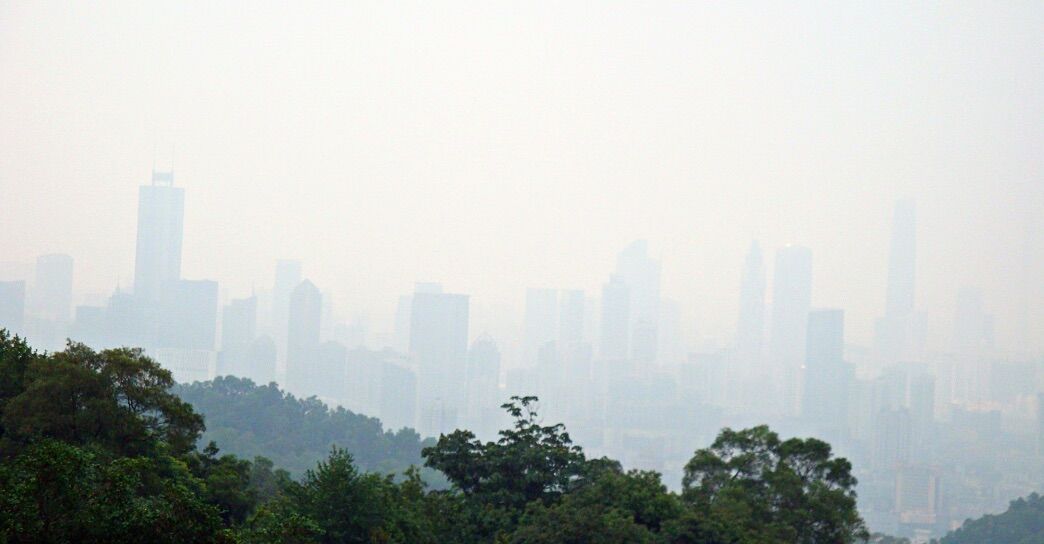
Leading sustainability and environment authority, Bureau Veritas, has welcomed the recent passing of the long-awaited Environment Act and its inclusion for reducing PM2.5 concentrations in the atmosphere as an important step towards prioritising clean air as part of wider conversations around sustainability and climate change.
Following the publishing of the Act, however, Bureau Veritas asserts businesses should not wait, but begin to tackle their contributions to PM2.5 to bring about faster improvements in the air we breathe.
First introduced to the House of Commons in January 2020, the Environment Act was delayed three times due to COVID-19, before finally achieving Royal Assent at the end of last year. The Act brings to the fore various environmental protection measures, including reducing the levels of PM2.5 in the air we breathe, and the establishment of a new environmental standards regulator in England – The Office for Environmental Protection (OEP).
Whilst specific targets have not yet been determined for the reduced levels of PM2.5, such targets are likely to be considerably tighter and more challenging to achieve than the current limit of 20 micrograms per cubic metre (μg/m3).
However, in a strange twist of events the World Health Organisation (WHO) – just ahead of the Environment Bill coming into effect – made recommendations to reduce the safe limit of PM2.5 further, to 5 μg/m3 (annual mean value).
Discussing the Environment Act and the need for action on PM2.5, Richard Maggs, Head of Environment & Sustainability Affairs at Bureau Veritas, said: “The introduction of the Environment Act is certainly welcome, and with that the establishment of the OEP will ensure the Government and public bodies are held to account when it comes to the delivery of reductions in toxic levels of PM2.5 in the air we breathe. It’s vital that action is taken with a greater sense of urgency – with the particulate matter causing various respiratory diseases, such as asthma, COPD and lung cancer.
“The recent WHO recommendation for the lower limit of PM2.5 is certainly ambitious in relation to the UK getting down to such levels. Due to the UK’s location within Europe, various studies have found that easterly, south-easterly and southerly wind directions from the continent increase concentrations of PM2.5 within the UK: effectively making the UK a ‘sink’ for PM2.5 arising from other countries through secondary formation processes in the atmosphere, as air masses move across the continent and into the UK. Thus, the need for the Government to continue with international obligations on air quality and cooperation is as important as ever.”
PM2.5 are minuscule particles, invisible to the naked eye, and are small enough to be absorbed into the blood stream after being breathed in. Emitters of PM2.5 are many with primary sources arising from industrial processes, energy generation (particularly biomass burning), transport road abrasion, non-road mobile machinery and the hospitality sector (cooking).
Businesses can seek to reduce PM2.5 in their day-to-day operations by adopting a post-Covid flexible working regime of home and office to reduce the need for travel, accelerating adoption of electric or hybrid vehicles and ensuring the maintenance and compliance checks for on-site biomass combustion systems are being adhered to. For the hospitality sector specifically, it’s vital there is adherence to local exhaust ventilation (LEV) checks, and servicing and maintenance of filtration systems.
Richard continues: “The new Government targets and measures on managing PM2.5 will have a far and wide-reaching effect, seeping into all business sectors. We would therefore encourage every company to review its existing strategies and prepare to look at ways they can contribute to accelerating action towards reducing the primary sources of PM2.5 that arise from their operations – even ahead of any Government target setting, which could take until October this year to come to fruition.
“Creating a sustainability strategy for your business may sound like a daunting task, so we would advise firms to appoint a specialist third party compliance expert with experience in supporting businesses in this area, who can take a holistic view on how companies can assess, measure, address and track their impacts on air quality and make recommendations for improvements, always bearing in mind economic pressures.”
Bureau Veritas has experience and technical expertise in helping some of the world’s largest organisations improve their sustainability performance in a number of sectors. The business’ Greenline division undertakes ambient air quality monitoring and management to assess pollutant emissions for compliance with regulatory limits and ensure environmental liabilities are identified and associated risks reduced.