It is just four months now before UK food businesses will face greater EU regulation around Listeria which comes into effect on 1st July 2026.
The changes represent a significant shift in food safety expectations – not just regulatory but also strategic, affecting how products are formulated, tested, manufactured and shipped.
The new rules will affect all UK food exports to the EU, especially those in the ready to eat (RTE) sector where the risk of listeria is most prevalent.
Manufacturers of salad produce and RTE sandwiches, dairy (cheese, desserts, cream, milk powders), smoked fish, cooked meats including pate, frozen ready meals and fresh produce will have to adhere to the new regulations or face sanctions for non-compliance, costly recalls or exclusion from EU markets.
What are the current rules?
Under the current regulatory framework there are specific criteria for Listeria monocytogenes. For RTE foods that support listeria growth including the current rules state that the food safety criterion is 100 cfu/g during shelf life. It also states that before the food leaves the immediate control of the producing business listeria must be absent in 25g, if the 100 cfu/g cannot be guaranteed.
What’s changing?
From July 2026 Listeria monocytogenes must be absent in 25g throughout the entire shelf life, unless a test or study demonstrates that the level will stay below 100 cfu/g for the duration. The change closes a legal gap, under the old rule the ‘not detected in 25g’ criterion applied only at the production stage, not for products already in trade.
The change also expands the responsibility so food business operators – other than just the producing manufacturer – will be responsible for compliance across the food chain.
Why now?
An ageing European population and concerns around other vulnerable groups from listeriosis – the illness caused by Listeria monocytogenes – is thought to be driving the tightening of regulations.
Other groups susceptible to listeriosis include pregnant women, newborns and individuals with weakened immune systems. For healthy individuals symptoms can be mild and flu like, for those vulnerable groups the infection can spread leading to complications, including meningitis, sepsis and even death in extreme cases.
“This is a public health and business issue for the UK food sector which demands a robust response,” said Jamie Cook, director at Kemtile, specialists in hygienic flooring solutions for the industry.
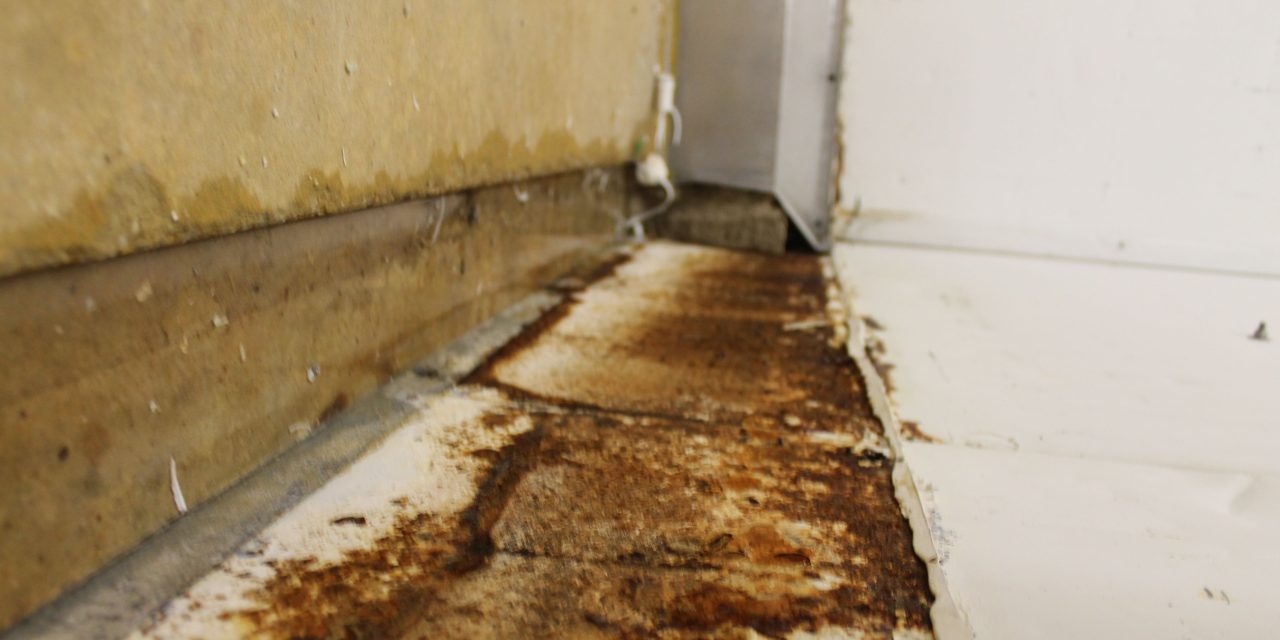
He continued: “Poor flooring is the number one cause of recurring Listeria in food factories. If floors are the primary reservoir for recurring Listeria, then drainage is the engine of spread. In walls and kerbs, if water can sit in it, behind it or beneath it, Listeria will live in it.”
Aimed at food safety and technical leads, operations, engineering managers and hygiene teams Kemtile has launched a new White Paper – Listeria Control in the RTE sector – which outlines the risks and key management steps needed.
Jamie again: “We have found that those who treat the whole building fabric – flooring, walls, drainage, kerbs – as a critical control measure, not merely a maintenance issue, achieve the greatest reduction in repeat Listeria positives and recalls.”
Response to changes in legislation is not new for Kemtile. Following the introduction of the Food Safety Act 1990 the company has been at the forefront of developing high flooring solutions designed to create super hygienic processing environments.
In the White Paper the company outlines some of the most common causes of Listeria including aged drainage channels, plastic pipework, persistent hot spots within processing areas and contamination zones embedded in kerbs and walls, leaking onto floors – and how they resolved the issues.
Dave Sleight from Kemtile, who has over 40 years’ industry experience supporting and helping food manufacturers in managing Listeria risks said: “Listeria is persistent. It establishes itself in floor drains, behind poorly maintained kerbs and walls, cracked tiles and other areas where moisture and organic matter can accumulate.
“This is a wake-up call to all food factories – especially those in the RTE sector – to review all risk drivers and critical controls in their operations now ahead of the more stringent EU legislation coming into play.
“We hope by sharing some of our own experience we can spark a conversation to ensure compliance with the new regulations and ultimately protect businesses and public health.”
Jamie Cook added: “As the governance framework tightens again on EU exports, we can help food producers plot routes to satisfactory compliance.”
Read other recent news: https://industrial-compliance.co.uk/category/news/